
As Bangor looks for solutions to homelessness, 2 men experiencing it are taking action
Bangor Residents Tackle Abandoned Trash and Hazardous Waste
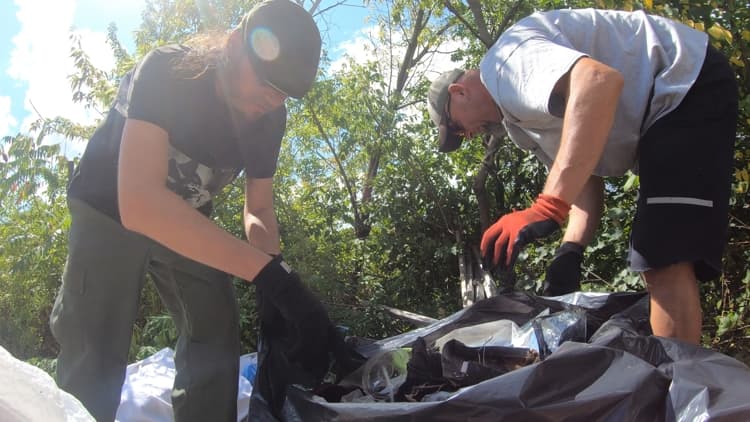
Bangor, Maine – In a quiet but determined effort, Garret Brooks and Bill Mooney have taken on a task that has long nagged the city: the cleanup of abandoned trash and hazardous waste that has been piling up in a local lot.
The two volunteers, long residents of the area, grew frustrated with the growing chorus of complaints from neighbors who have watched piles of debris accumulate on a once‑productive property. “I’ve been hearing the same concerns for years,” Brooks told local reporters. “When you’re the one who sees the problem every day, it’s hard not to act.”
Mooney echoed that sentiment, explaining that the issue was not only an eyesore but also a potential health risk. “We’re not just moving litter,” he said. “We’re removing materials that could be harmful if left unchecked.”
The abandoned lot, located on a street just off the city’s main thoroughfare, has seen a steady increase in discarded household items, broken appliances, and other hazardous waste. Residents in the surrounding neighborhood have reported that the area has become a magnet for rodents and insects, further fueling concerns about public health and safety.
In response, Brooks and Mooney organized a volunteer cleanup operation that began early this spring. They coordinated with local municipal workers to secure the necessary permits and equipment, and then set to work removing and properly disposing of the accumulated waste. The team’s efforts were aimed not only at clearing the lot but also at preventing future accumulation by educating the community on responsible waste disposal.
City officials have expressed support for the initiative. “It’s encouraging to see local citizens take ownership of this problem,” said a spokesperson for the Bangor Department of Sanitation. “Their actions demonstrate the power of community engagement in addressing environmental issues.”
While the cleanup is still ongoing, the progress has already made a noticeable difference. Residents nearby report a cleaner, safer street, and early estimates suggest that the removal of the hazardous waste will reduce potential health risks by a significant margin.
Brooks and Mooney hope their work will inspire others in the region to take similar action. “If we can make a difference here,” they said, “maybe others will feel empowered to do the same in their neighborhoods.”