

Maine ski areas look to expand beyond winter tourism
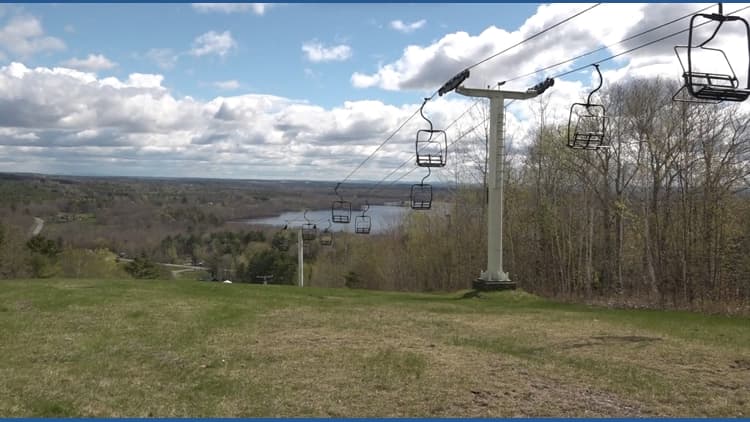
Hermon Mountain, Camden Snow Bowl Lead Maine's Ski Resorts Toward Four-Season Operations
MAINE — When the last skier carves down the slopes each spring, many Maine ski areas once locked their gates and waited for snow. That model is fading fast as resorts across the state invest in attractions designed to draw visitors year-round.
Hermon Mountain near Bangor and the Camden Snow Bowl are among the Maine facilities leading this transformation. Both have expanded their warm-weather offerings in recent years, betting that four-season operations will stabilize revenue and make better use of infrastructure that once sat idle for half the year.
The shift reflects broader pressures facing the ski industry. Reliance on winter snowfall has always carried risk, and with climate concerns raising questions about future precipitation patterns, resort operators are seeking financial cushioning. Year-round attractions provide income during shoulder seasons and reduce dependence on a single, weather-dependent revenue stream.
Hermon Mountain has added zip lines, ropes courses, and mountain biking trails to its warm-weather lineup. The resort now hosts events and programming through spring, summer, and fall—periods that once generated little to no traffic. Officials at the mountain have noted increased visitation from families and outdoor enthusiasts who might never have visited during ski season.
The Camden Snow Bowl has taken a slightly different approach, emphasizing community-oriented recreation. The coastal facility has developed trails for hiking and fat-tire biking, opened its terrain for scenic chairlift rides, and hosted warm-weather events that pull in local residents and tourists alike. Its location near Penobscot Bay offers natural appeal that extends well beyond winter.
Industry observers say the trend aligns with changing consumer expectations. Visitors increasingly want outdoor experiences regardless of the calendar. A mountain that offers summer activities becomes a destination for multiple trips annually rather than a once-or-twice winter outing.
The economic implications extend beyond the resorts themselves. Year-round operations support local restaurants, hotels, and shops that once saw business plummet after ski season ended. Tourism officials have embraced the shift, recognizing that stable, seasonal employment opportunities help sustain communities that depend on recreation dollars.
Not all challenges have been overcome. Developing summer attractions requires significant capital investment, and some facilities struggle to balance new programming with maintaining existing winter infrastructure. Staffing year-round operations also demands a different approach to hiring and training than traditional seasonal employment.
Still, the trajectory appears clear. More Maine ski areas are expected to announce expanded warm-weather options in coming years as the model proves profitable. Industry analysts suggest that facilities failing to diversify risk falling behind as traveler preferences continue evolving toward multi-season destinations.
For communities that have long tied their identity to winter sports, the transition carries cultural weight alongside economic considerations. Yet resort operators emphasize that the core mission remains unchanged: providing access to Maine's outdoor beauty. The difference is simply that the gates stay open longer now.