
Proposed Amazon warehouse in Gorham clears key hurdle with environmental approval

Maine DEP Grants Amazon Warehouse Permit in Gor — Local Residents Remain Divided
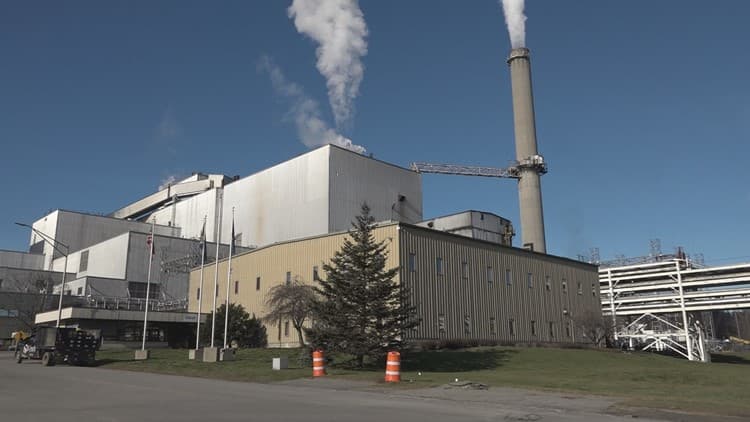
The Maine Department of Environmental Protection (DEP) issued a permit last Friday allowing Amazon to build a 146,280‑square‑foot warehouse and distribution center off Main Street in Gorham. The decision clears a major hurdle in a project that has drawn strong opposition from community members, local environmental groups, and the town’s own planning board.
Amazon’s proposal, which would be located on undeveloped land in Gorham’s industrial park, has raised concerns about noise, visual impact, wildlife habitat, and the potential loss of wetlands. The facility would affect approximately 34,918 square feet of freshwater wetlands, according to the DEP’s environmental assessment.
In a statement accompanying the permit, the agency said the developer had “made adequate provision for fitting the development harmoniously into the existing natural environment and the development will not adversely affect existing uses, scenic character, air quality, water quality or other natural resources in the municipality or in neighboring municipalities.” The permit also lists a number of conditions that Amazon must meet, and notes that the company still needs approvals from the Maine Department of Transportation and the U.S. Army Corps of Engineers before construction can begin.
The DEP’s decision follows a town‑level approval that was granted a month earlier. Residents and the local advocacy group Gor — United filed a lawsuit this week, arguing that the town failed to apply proper environmental and traffic‑planning standards in approving the project. The court case is still pending.
The permit came after a July public meeting where more than 100 citizens submitted comments expressing worry that the new facility would damage wetlands, pollute the area, and harm wildlife. DEP Licensing Division Director Jessica Damon had stated during that meeting that the agency would review the project’s impact on protected natural resources under the Natural Resources Protection Act and consider mitigation measures. The department originally said it would decide on Amazon’s application by September 21, but requested two extensions while waiting for the developer to update its wetland impact analysis.
Amazon’s application was prepared with the help of engineering firm Sebago Technics, developer Bluewater Property Group, and consulting firm Flycatcher. The permit includes the condition that the company must secure additional permits before breaking ground.
Local residents remain split. Some see the warehouse as a welcome source of jobs and economic growth, while others point to environmental risks and the disruption of the town’s character. As the case moves through the court system, the final outcome for Gorham’s undeveloped industrial park—and for Amazon’s expansion strategy—hangs in the balance.