

Westbrook Fire Department launches pilot program to administer Suboxone after overdoses
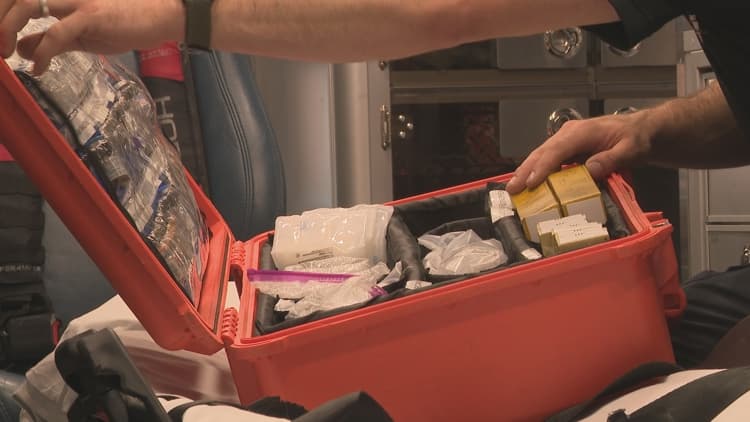
A new pilot program is set to give emergency responders the authority to administer the medication Suboxone to individuals who have suffered an opioid overdose, contingent on the patients meeting specific eligibility criteria.
Paramedics, who are often the first on scene after an overdose, will be trained to assess whether a patient satisfies the program’s requirements before delivering the medication. The criteria, though not detailed in the announcement, are designed to identify people who could benefit from immediate medication‑assisted treatment, thereby linking the emergency response to ongoing addiction care.
The purpose of the initiative is to address the urgent need for timely intervention in opioid emergencies. By providing Suboxone at the moment of overdose, the program aims to stabilize patients, reduce the risk of fatal outcomes, and create a pathway to longer‑term treatment services.
While the specifics of the pilot’s scope, location, and timeline have not been disclosed, the arrangement represents a notable shift in how opioid overdoses are managed, moving beyond conventional transport to an on‑scene therapeutic approach. The effort reflects a broader recognition that rapid access to medication‑assisted treatment can be a critical factor in saving lives and curbing the progression of opioid dependence.
No direct statements from program officials or participants were included in the announcement, and the announcement itself offers only the essential facts: paramedics will be permitted to give Suboxone to qualified overdose victims under a pilot framework. The success of the program will likely be measured by its ability to improve patient outcomes and to inform future expansions of medication‑assisted treatment within emergency medical services.